
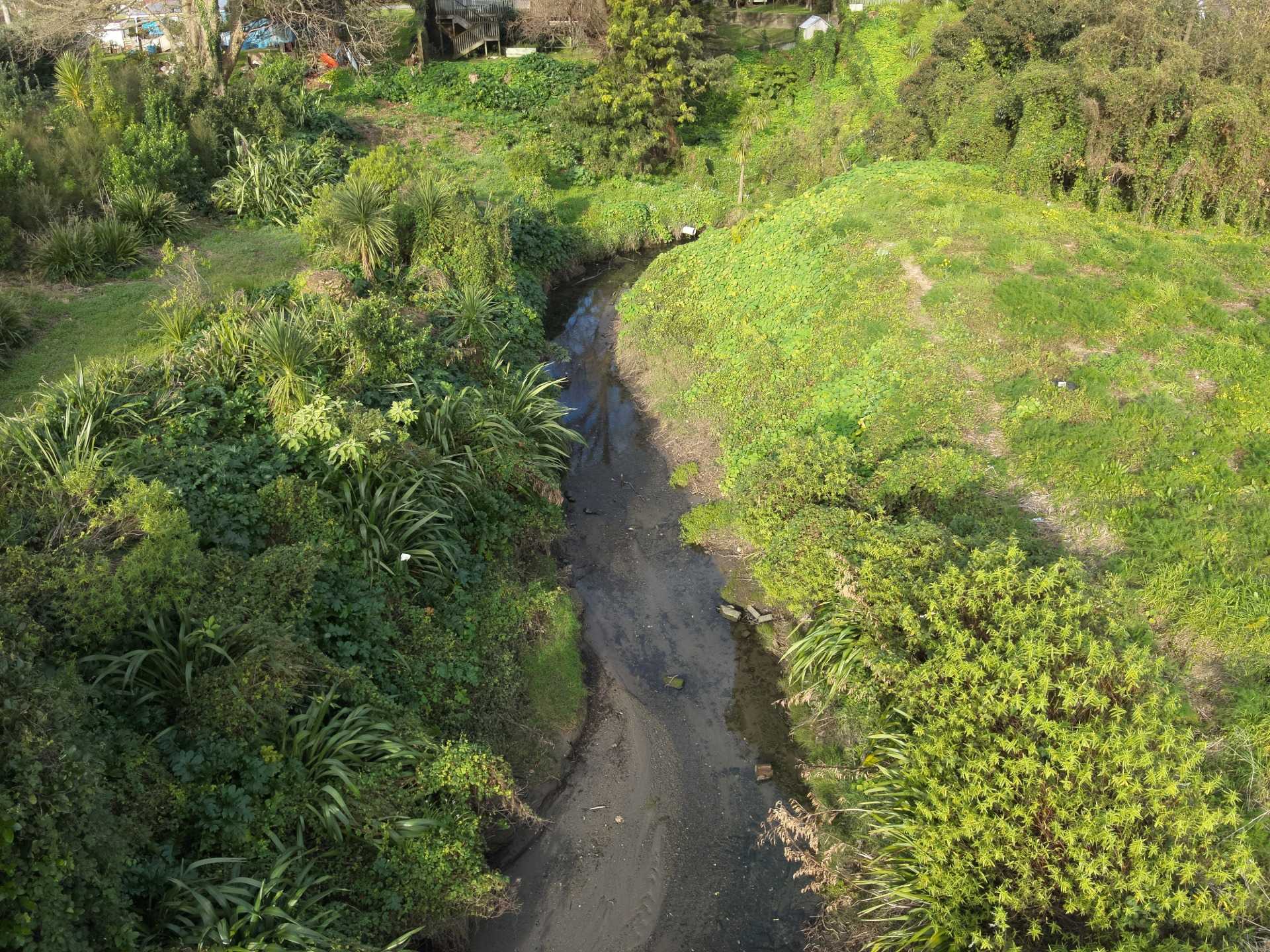
Haumanu Tū Ora restored waterways across Tairāwhiti from 2021 to 2026 through a region-wide freshwater restoration programme.
The programme worked alongside mana whenua, schools, community groups, landowners and environmental organisations to improve freshwater ecosystems, restore native habitats and strengthen connections between people and waterways.
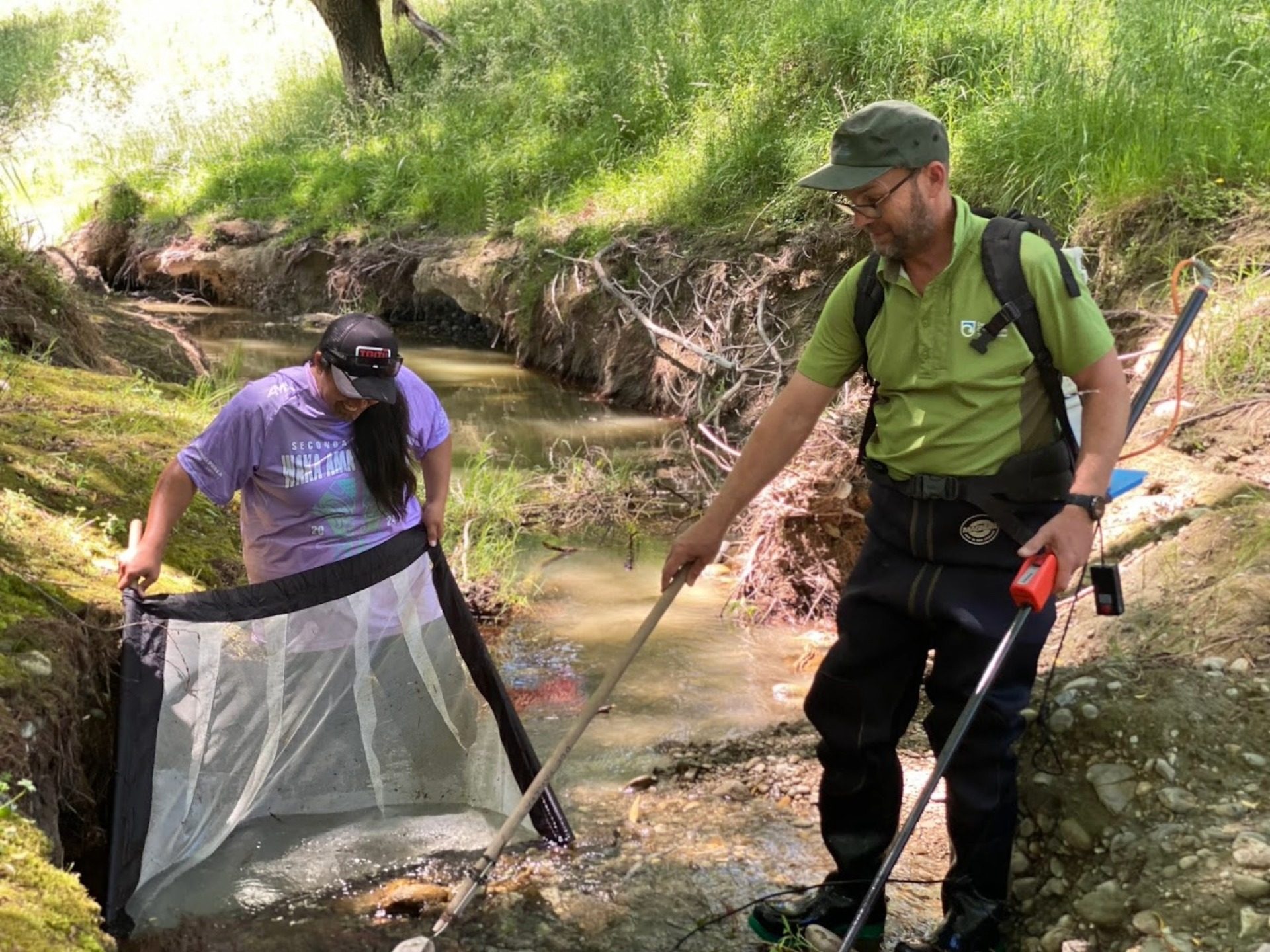
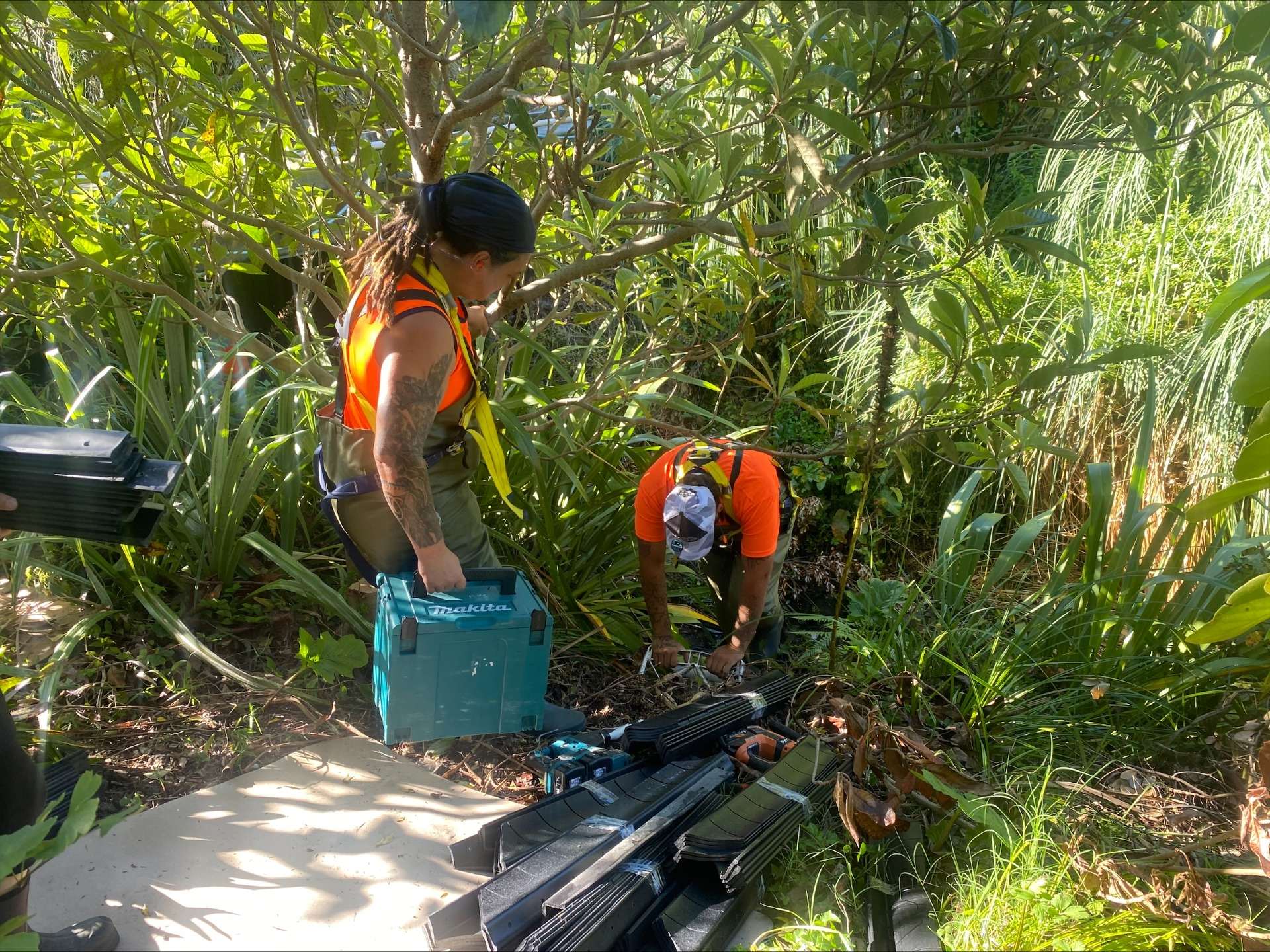
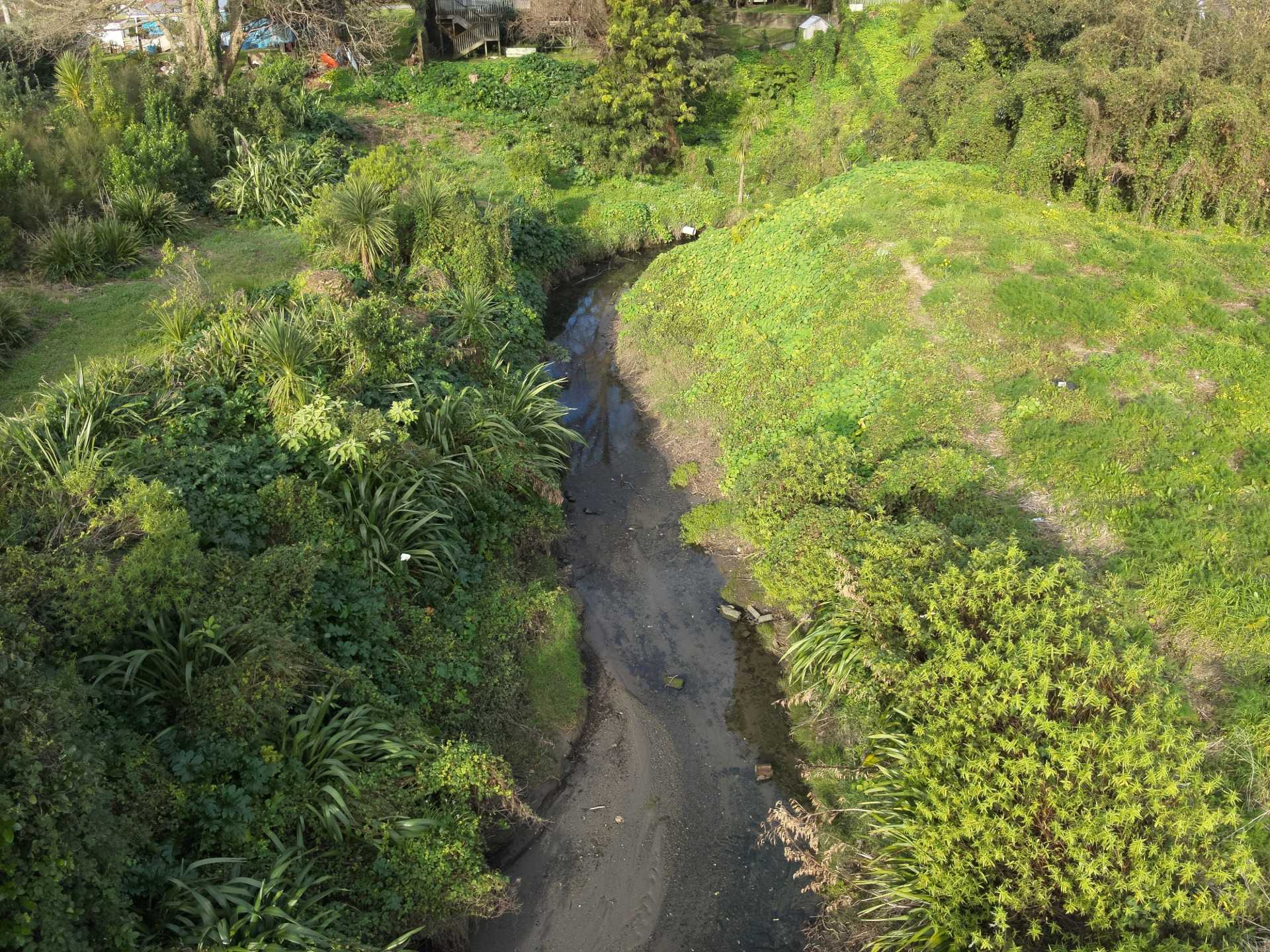
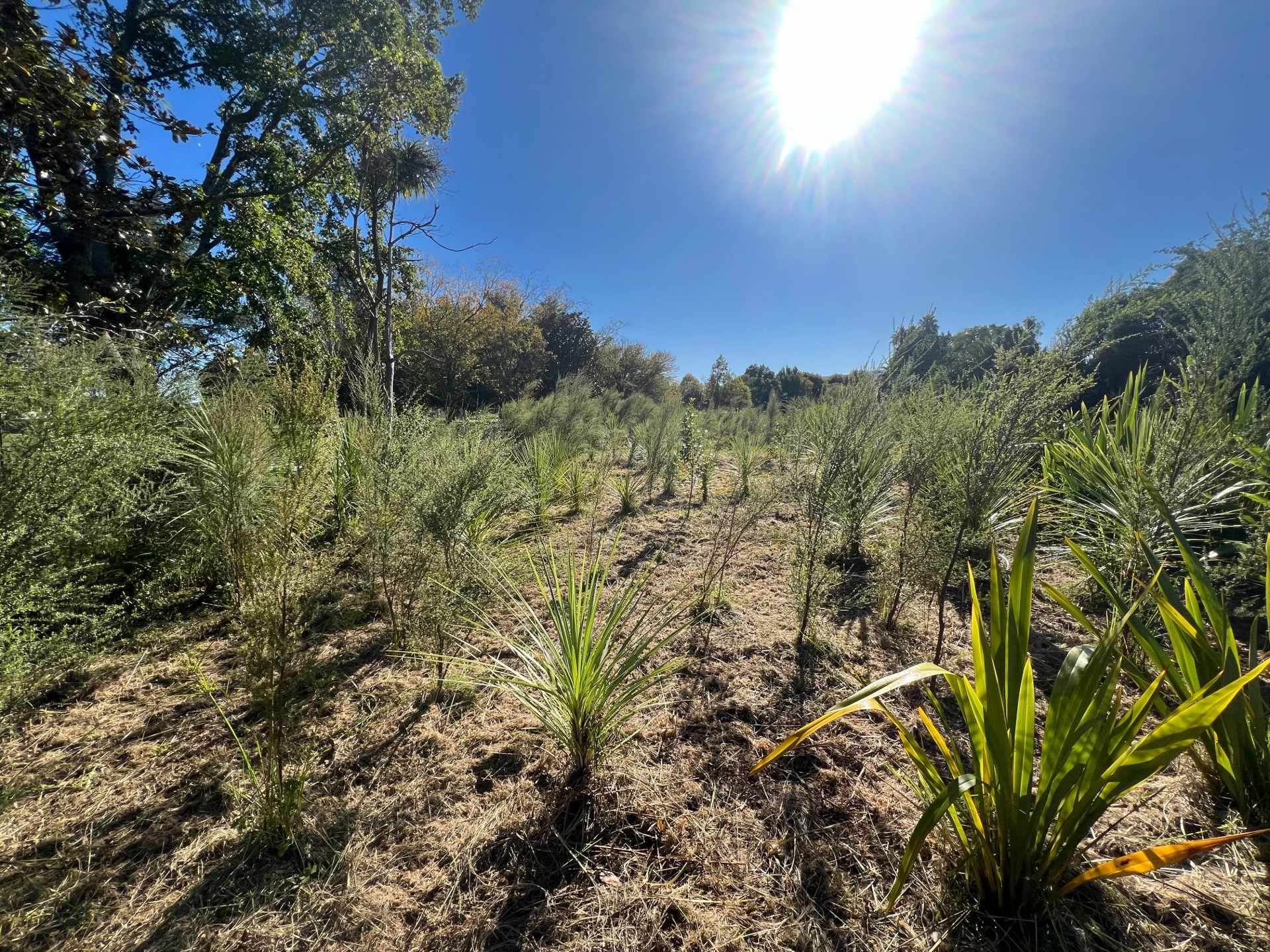
Projects included riparian planting, wetland restoration, fish habitat improvements, pest control, environmental monitoring and community education. A lasting legacy of the programme was the development of awa restoration plans that will help guide future restoration efforts across Tairāwhiti.
Programme highlights
Over 5 years Haumanu Tū Ora delivered projects from the headwaters of our rivers and streams to wetlands and estuaries across Tairāwhiti.
Key achievements
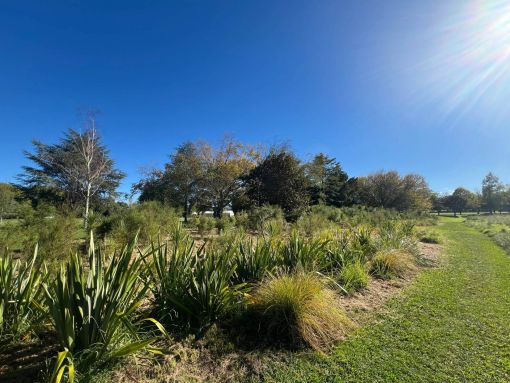
- 137,254 native plants established
- 19 fish passage barriers improved
- 17 hectares spartina control and eradication
- 26 hectares of animal pest control
- 18 hectares of plant pest control
- 3 iwi partnerships
- 20+ local contractors engaged
- Strong partnerships built with mana whenua, kura, schools, enviroschools, community groups, volunteers and environmental organisations
- Restored and enhanced Waikanae Wetland, Rapanui Wetland and Te Kuri ā Tuatai
- Improved habitat for native species, including matuku hūrepo (Australasian bittern)
- Completed riparian planting and wetland restoration projects
- Improved water quality and biodiversity through projects at the Gisborne Airport Solar Farm, Te Waiohiharore and Recreation Reserve
Restoration projects
From wetland restoration and native planting to habitat enhancement and community involvement, these projects have helped improve the health and resilience of waterways across Tairāwhiti.
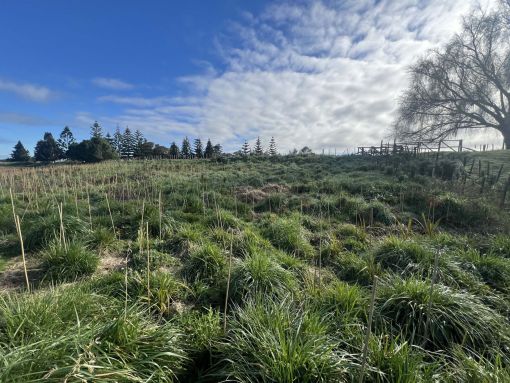
Waikanae catchment restoration
The Waikanae catchment includes the Waikanae, Rapanui and Reynolds waterways and was one of the largest focus areas for Haumanu Tū Ora.
Key achievements
- Restored and enhanced Waikanae Wetland, Rapanui Wetland and Te Kuri ā Tuatai
- Improved habitat for native species, including matuku hūrepo (Australasian bittern)
- Completed riparian planting and wetland restoration projects
- Controlled pest plants and improved ecosystem health
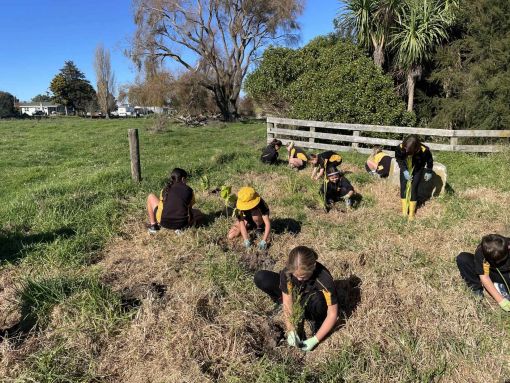
- Supported community planting days and school involvement
- Improved water quality and biodiversity through projects at the Gisborne Airport Solar Farm, Te Waiohiharore and Recreation Reserve
Taruheru catchment restoration
Partnered with schools, community groups and landowners to restore waterways and improve biodiversity throughout the Taruheru catchment.
Key achievements
- Completed planting and habitat enhancement projects across multiple sites throughout the catchment
- Restored riparian margins and improved freshwater habitat
- Supported recovery projects following Cyclone Gabrielle, including Grant Road Reserve
- Involved students and community members in planting, monitoring and site maintenance
- Increased native biodiversity and improved waterway health
- Created valuable outdoor learning opportunities for local schools and community groups
Stream restoration plans
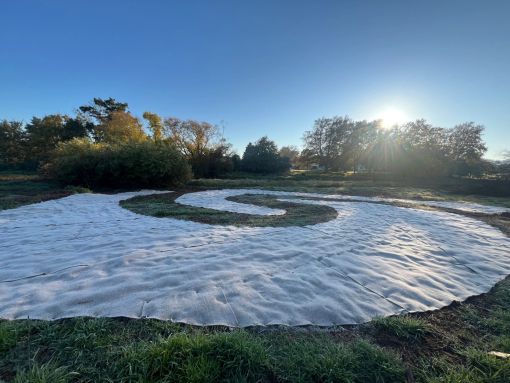
Haumanu Tū Ora also supported restoration planning for individual waterways across Tairāwhiti, working alongside mana whenua and drawing on ecological assessments and local knowledge.
Key achievements
- Developed long-term restoration plans for priority waterways
- Identified opportunities to improve water quality and habitat
- Supported biodiversity and ecosystem resilience
- Incorporated local knowledge and cultural values into planning
- Created practical guidance for future restoration projects
Programme legacy and restoration plans
Haumanu Tū Ora has created a strong foundation for future freshwater restoration across Tairāwhiti.
Through partnerships with mana whenua, on-the-ground restoration projects, community involvement and the development of awa restoration plans the programme has contributed to healthier waterways, increased biodiversity and stronger community stewardship of the natural environment.
The restoration plans developed through the programme remain an important resource for iwi, landowners, community groups and future projects working to improve the health and mauri of our waterways.
No results found for ""