

Got items you no longer need?
Check local options to recycle, reuse, donate, upcycle or safely dispose of unwanted items and help keep valuable resources out of landfill.
Rethink Waste Education Centre
Tairāwhiti Environment Centre
The TEC Hub is a vibrant community hub for recycling, waste reduction, education and sustainable living.
📍386 Palmerston Road
Search items to recycle, reuse, upcycle or dispose
Search our A-Z guide to find out what to do with unwanted household, garden, building and electronic items. You may be surprised how many items can be reused, repaired or passed on instead of ending up as waste.
Tairāwhiti Environment Centre accepts:
- Batteries
- Mobile phones (any make, model or condition)
- Tetra Pak cartons
- Shaving razors
- Coffee pods
- Light bulbs
- eWaste
- Toners and ink cartridges
- Metal - wine bottle caps, foil, steel/tin caps, empty aerosols
- Colgate products
📍 Tairāwhiti Environment Centre, 386 Palmerston Road
For accepted items opening hours, visit the Tairāwhiti Environment Centre website.
What can be recycled?
Most household metal appliances and whiteware, including:
- Washing machines
- Dryers
- Dishwashers
- Fridges, freezers
- Ovens, stoves, microwaves
- Other metal household appliances
Drop-off locations
Refuse transfer stations
📍 Metal appliances accepted for recycling.
Metalco Recyclers
📍 223 Stanley Road
✅ Accepts most appliances, no charge.
Metal Solutions
📍 71 Awapuni Road
✅ No charge, but fridges and freezers must be de-gassed first.
M E Jukes
📍 180 Stanley Road
⚠️ Small charge applies for whiteware.
Metalco Recyclers
📍 223 Stanley Road
✅ Whiteware accepted.
Collection service
Don't have access to a car or trailer?
✅ For $15, local collector Daryl Gowers will pick up whiteware and deliver it to the metal recyclers on your behalf.
✅ Daryl also collects other scrap metal items free of charge, including:
- Computers
- Car batteries
- Bicycles
- Lawnmowers
To arrange a collection:
- Contact the Cancer Society Gisborne
- Or call Daryl Gowers directly on 021 037 7027
Buying a new appliance?
Ask the retailer to take away your old appliance when they deliver your new one. Many retailers offer a take-back service, making recycling easy and ensuring appliances are disposed of responsibly.
Why recycle appliances?
Recycling appliances helps recover valuable metals and materials, reduces waste sent to landfill and supports a more circular economy.
What can be recycled?
All household batteries, including:
- AA, AAA, C and D batteries
- Button batteries
- Hearing aid batteries
- Rechargeable batteries
- Power tool batteries
Drop-off location
Tairāwhiti Environment Centre
✅ Free drop-off
Vehicle batteries
- Car batteries
- Truck batteries
- Other lead-acid vehicle batteries
Drop-off locations
Gisborne Autoelectrics
📍 159 Carnarvon Street
Metalco Recyclers
📍 223 Stanley Road
Bensons Auto Electrical
📍 160 Kahutia Street
✅ Free drop-off
Why recycle?
Vehicle batteries contain lead and acid that can be recovered and reused, helping keep hazardous materials out of landfill.
Reuse first
If your bike is still rideable, consider donating it so someone else can enjoy it. You could:
- Give it to friends or whānau
- Donate it through community groups or charities
- Offer it through local social media pages
Broken or unwanted bikes
If your bike can't be ridden, local collector Daryl Gowers can pick it up free of charge.
✅ Daryl repairs and reuses bikes where possible.
✅ Bikes that can't be repaired are recycled through a metal recycler.
Collection service
📞 Daryl Gowers – 021 037 7027
Why reuse bikes?
Keeping bikes in use for longer reduces waste, saves resources and helps others access affordable transport and recreation.
What can be recycled or reused?
- Books
- Magazines
- Catalogues
- Newspapers
- Office paper
- Other clean paper products
Reuse first
Consider donating books and magazines to:
- Hospital and doctor waiting rooms
- Charitable organisations
- Kindergartens, childcare facilities, Kōhanga Reo
Recycling options
Kerbside recycling collection
✅ Place accepted paper and magazines in your recycling bin.
Waste Management NZ Ltd
📍 75 Innes Street
✅ Recycling drop-off available.
Why reuse?
Passing on books and magazines gives them a second life, supports community organisations and helps reduce waste sent to landfill.
What can be recycled?
- Bricks
- Concrete
- Demolition concrete
- Clean masonry materials
Drop-off location
M E Jukes
📍 Stanley Road
⚠️ Small charge applies.
Before you drop off
✅ Separate bricks and concrete from general waste where possible.
✅ Remove non-masonry materials if practical.
Why recycle?
Recycling bricks and concrete helps recover valuable construction materials, reduces landfill waste and supports the reuse of resources.
What can be reused or recycled?
- Timber
- Doors and windows
- Fixtures and fittings
- Construction materials
- Salvaged building supplies
Drop-off locations
Trading Post Recyclers
📍 71 Awapuni Road
Neil Andrew Timber Recycling
📍 86 Bloomfield Road
Why recycle building materials?
Reusing and recycling building materials helps:
✅ Reduce construction waste going to landfill
✅ Recover valuable materials for future projects
✅ Support affordable and sustainable building practices
Before you drop off
💡 Contact the recycler first to check what materials they currently accept and whether any conditions apply.
What can be recycled?
- Aluminium cans
- Steel cans
- Food cans
- Beverage cans
Recycling options
Cans for Cancer
✅ Donate aluminium cans to the Cancer Society's Cans for Cancer collection points.
📞 Contact the Gisborne Cancer Society (06) 867 1795 to find your nearest collection location.
Kerbside recycling collection
✅ Place clean aluminium and steel cans in your recycling bin.
Waste Management NZ Ltd recycling depot
📍 75 Innes Street
Metalco Recyclers
📍 223 Stanley Road
Metal recyclers
✅ Most metal recyclers accept aluminium and may pay cash for larger quantities.
Community fundraising
💡 Some schools, church groups and community organisations collect aluminium cans and can tabs.
These collections are often used as fundraisers, so it's worth checking whether a local group is currently collecting them.
Before you recycle
✅ Empty cans completely
✅ Give them a quick rinse
✅ Remove any food residue
Why recycle aluminium?
✅ Aluminium can be recycled endlessly without losing quality.
Recycling just one aluminum can saves enough energy to power a television for up to 3 hours.
Why recycle cans?
Aluminium and steel can be recycled again and again without losing quality, saving energy and reducing the need for new raw materials.
What can be recycled?
- Car bodies
- Vehicle wrecks
- End-of-life vehicles
- Metal vehicle parts
Drop-off locations
Metalco Recyclers
📍 223 Stanley Road
✅ No charge
Gisborne Towing Services
📍 71 Awapuni Road
✅ No charge
Collection service
Metalco Recyclers
✅ Free collection of car wrecks from Wairoa to Ruatoria
📞 Contact Metalco to find out:
- What's required before collection
- Whether collection is available outside urban areas
- Any paperwork or vehicle preparation requirements
For car bodies located north of Tikitiki - please contact Metalco Hamilton.
Before you recycle
✅ Remove all personal belongings from the vehicle.
✅ Contact the recycler beforehand if the vehicle is incomplete or difficult to transport.
Why recycle vehicle wrecks?
Recycling old vehicles allows valuable metals and materials to be recovered and reused, reduces waste sent to landfill, and helps prevent environmental contamination.
What can be recycled?
All mobile phones are accepted, regardless of make, model, age or condition.
Why recycle your phone?
When you recycle your old mobile phone through the Mobile Phone Recycling Scheme, you help raise funds for Sustainable Coastlines and support their long-term vision of beautiful beaches and healthy waters.
Your data is protected
Before phones are reused or recycled:
✅ Phones are graded
✅ Data is wiped
✅ SIM cards are removed and destroyed
Drop-off locations
Tairāwhiti Environment Centre
📍 386 Palmerston Road
Any mobile phone provider retail store
✅ Drop off your old mobile phone at participating providers.
Before you recycle
✅ Remove any personal accessories, such as cases or chargers, unless they are also being recycled.
✅ If possible, back up any information you wish to keep before recycling your phone.
Why recycle cellphones?
Mobile phones contain valuable materials that can be recovered and reused. Recycling helps reduce electronic waste, conserve resources and support positive environmental initiatives.
What can be recycled or disposed of?
- Clean soil
- Dirt
- Excavated earth
- Clean fill material (where accepted)
Drop-off location
M E Jukes
📍 180 Stanley Road
Before you drop it off
✅ Check what types of soil and clean fill are accepted.
✅ Separate dirt from rubbish, vegetation and other waste materials.
✅ Contact the site if you're unsure whether your material is suitable.
Important
❌ Do not mix dirt with construction waste, household rubbish or hazardous materials.
Why reuse or recycle clean fill?
Clean soil and fill material can often be reused in landscaping, land development and restoration projects, helping reduce waste sent to landfill and making better use of natural resources.
What can be reused?
- Prescription glasses
- Spectacles
- Eyewear
- Reading glasses
- Sunglasses
Drop-off locations
Any optician or eyewear provider
✅ Donate your unwanted glasses, spectacles or eyewear for reuse.
What happens to them?
Donated glasses are collected, sorted and distributed for reuse in developing countries, helping improve vision and quality of life for people who may not otherwise have access to eye care.
Before you donate
✅ Clean your glasses if possible.
✅ Include the case if you no longer need it.
Why donate glasses?
Reusing glasses, spectacles and eyewear extends the life of a valuable resource, reduces waste and helps provide clearer vision to people in need around the world
What can be recycled?
Farm chemical containers
- Plastic agrichemical containers
- Pesticide containers
- Herbicide containers
- Eligible fertiliser containers
Farm plastics
- Bale wrap
- Silage wrap
- Feed bags
- Other approved agricultural plastics
Farm chemicals
- Unwanted farm chemicals accepted through approved disposal programmes
Recycling and disposal options
Agrecovery Rural Recycling Programme
✅ A nationwide programme for the safe recycling and disposal of approved farm chemical containers, farm plastics and agricultural chemicals.
🌐 Visit the Agrecovery website for accepted materials, preparation requirements and drop-off locations.
Chemical disposal
📞 Agrecovery – 0800 247 326
Contact Agrecovery for advice on the safe disposal of unwanted farm chemicals.
Drop-off locations
Farmlands Gisborne
📍 110–112 Lowe Street, Gisborne 4010
✅ In partnership with Agrecovery, Farmlands Gisborne provides free recycling of eligible farm plastics, agrichemical containers and feed bags.
M E Jukes
📍 180 Stanley Road|
✅ Contact M E Jukes directly to confirm accepted farm waste materials.
Before you recycle
✅ Triple-rinse approved chemical containers after use.
✅ Allow containers to drain and dry.
✅ Follow Agrecovery's cleaning and preparation requirements.
✅ Keep chemical containers and farm plastics separate from general waste.
✅ Check accepted materials before drop-off.
Why recycle farm chemicals and farm plastics?
Recycling farm waste helps keep plastics and chemicals out of landfill, protects soil and waterways, recovers valuable resources, and supports sustainable farming practices.
What can be reused or recycled?
- Grass clippings
- Leaves
- Weeds
- Small branches, prunings, tree trimmings
- General garden waste
Reuse first
Garden waste shouldn't go in the rubbish - there are more environmentally friendly and often cheaper ways to deal with it.
Tree prunings
✅ Put suitable branches aside for kindling or firewood, perfect for winter fires.
Grass clippings and smaller prunings
✅ Add them to your compost to create a nutrient-rich soil conditioner for your garden.
Recycling options
Judds
✅ Accepts green waste for commercial composting.
Transfer stations
✅ Accepts green waste for processing. Check transfer stations
Why compost or recycle garden waste?
Composting and recycling garden waste returns valuable nutrients to the soil, reduces the amount of waste sent to landfill and helps create useful compost for gardens and landscaping.
What can be reused?
- Clothing
- Shoes
- Fashion accessories
- Dress-up and costume clothing
✅ Items that are suitable for someone else to wear or use.
Reuse options
- Pass on to friends and family
- Second-time-around clothing
- Clothes swaps
- Dress-up clothing for children
Donate to
- Kindergartens
- Childcare facilities
- Kōhanga Reo
- Charitable organisations
Sell or give away
- Flea markets
- Garage sales
- Trade Me
- Facebook Marketplace
- Community groups
Before passing clothing on
✅ Ensure clothing is clean and in good condition.
✅ Repair minor damage where possible.
Why reuse clothing?
Keeping clothing in use for longer reduces textile waste, saves resources and gives quality items a second life.
What can be reused?
- Curtains
- Net curtains
- Curtain fabrics
- Curtain accessories in good condition
Reuse options
Donate to charity shops so someone else can use them and enjoy.
Before you donate
✅ Ensure curtains are clean and in good condition.
✅ Include matching pairs where possible.
✅ Remove hooks and fittings if requested by the charity.
Why donate curtains?
Donating unwanted curtains gives them a second life, supports local charities and provides affordable household items for others in the community.
What can be recycled?
Electronic waste (eWaste) includes:
- Laptops, desktop computers
- Tablets and notebooks
- Computer monitors, parts and hard drives
- Printers, scanners, multi-function devices
- Internal hard drives
- CD and DVD drives
- Keyboards, mouse, modems, USBs
- Cameras, webcams
- Cables and chargers
- Toner and ink cartridges
Drop-off locations
Tairāwhiti Environment Centre
✅ Free eWaste recycling
Noel Leeming
✅ Drop items off at the customer service desk
What happens to your eWaste?
✅ eWaste collected through these programmes is processed by TechCollect NZ
Items are dismantled and separated into their component materials so they can be recycled and recovered. Items are not reused or refurbished.
Buying a new computer?
When purchasing a new computer or electronic device, ask the retailer if they can take back your old equipment for recycling.
What can be recycled or reused?
- LPG gas bottles
- BBQ gas bottles
- Camping gas bottles
- Refillable gas cylinders
Recycling and exchange options
✅ Return refillable gas bottles to a gas supplier for refill or exchange.
✅ Many hardware stores, service stations and gas suppliers offer gas bottle exchange services.
Metalco Recyclers
📍 223 Stanley Road
✅ Gas bottles can be dropped off free of charge.
Before you recycle
✅ Ensure the bottle is designed for refilling or exchange.
✅ Never place gas bottles in your kerbside recycling bin.
✅ Do not dispose of gas bottles in general rubbish.
Why recycle gas bottles?
Gas bottles are made from valuable metals that can be recovered and reused. Returning bottles through approved refill, exchange or recycling programmes helps prevent waste and ensures they are handled safely.
What can be recycled or reused?
- Glass bottles and food jars
- Preserving jars
- Beverage bottles
Got empty bottles or jars?
Don't bin them - glass can have an endless life.
Glass can be recycled again and again without losing quality, so every bottle or jar you recycle makes a real difference.
Reuse first
Before recycling, consider whether your glass containers can be used again:
- Storing homemade jams, preserves and pickles
- Craft and school projects
- Storage containers around the home
Useful jars and bottles can also be offered to others through:
- Facebook - Marketplace or local community pages
- Kindergartens, childcare facilities and Kōhanga Reo may also be able to reuse clean jars for educational and craft activities.
Recycling options
✅ Place accepted glass bottles and jars in your kerbside recycling collection.
What can go in?
✅ Yes
- Glass bottles
- Glass jars
❌ No
- Lids and caps
- Ceramics
- Broken crockery
- Pyrex and ovenware
✅ Glass can be taken to local recycling drop-off at the Transfer Station.
Before you recycle
✅ Empty and rinse bottles and jars.
✅ Remove any food residue.
✅ Separate lids and caps.
Why recycle glass?
Glass can be recycled repeatedly without losing quality, helping conserve natural resources and reduce the amount of waste sent to landfill.
What can be reused?
Good-quality household items, including:
- Kitchenware
- Home décor
- Toys and games
- Small furniture
- Household goods
- Sporting and recreational equipment
Reuse options
Secondhand Sunday
✅ A community reuse event held on the first Sunday of each month (except January).
Residents can register with Council, then place unwanted household items at the kerb for others to collect and reuse.
Donate
Consider donating useful household items to:
- Charitable organisations
- Church groups
Sell or give away
Items can be advertised through:
- Facebook Marketplace and community groups
- Gisborne Herald classifieds
- Local buy, sell and swap groups
Second-hand dealers
Some second-hand dealers may accept quality household items for resale.
Before passing items on
✅ Ensure items are clean and in good condition.
✅ Check that electrical items are safe and working.
✅ Donate or sell items that can still be used by others.
Why reuse household items?
Reusing household goods keeps useful items out of landfill, saves resources and helps others find affordable items within the community.
What can be recycled?
- Fluorescent tubes
- Compact fluorescent lamps (CFLs)
- Energy-saving lightbulbs
- Other recyclable lightbulbs accepted through approved programmes
Recycling options
Tairāwhiti Environment Centre
📍 386 Palmerston Road
✅ Fluorescent bulbs are collected and safely recycled through specialist recycling providers.
Mitre 10
✅ Check in-store for lightbulb recycling options and accepted items.
Before you recycle
✅ Handle fluorescent bulbs carefully to avoid breakage.
✅ Keep bulbs intact where possible.
✅ Never place fluorescent bulbs in your kerbside recycling bin.
Why recycle lightbulbs?
Fluorescent and energy-saving lightbulbs can contain materials that require specialised handling. Recycling helps recover valuable resources and ensures potentially harmful materials are managed safely rather than ending up in landfill.
What can be recycled?
Most items that are predominantly made of metal, including:
- Steel
- Aluminium
- Copper
- Brass
- Scrap metal
- Metal household items
- Metal building materials
Recycling options
Metalco Recyclers
📍 223 Stanley Road
M E Jukes
📍 Stanley Road
Before you recycle
✅ Separate metal items from general waste where possible.
✅ Remove non-metal components if practical.
✅ Contact the recycler if you're unsure whether an item is accepted.
Why recycle metal?
Metal is one of the most recyclable materials and can be recycled repeatedly without losing quality. Recycling metal saves energy, conserves natural resources and reduces the amount of waste sent to landfill.
What can be safely disposed of?
- Needles
- Syringes
- Lancets
- Medical sharps used at home
Safe disposal options
Hauora Tairāwhiti
✅ Provides a system for the safe collection and disposal of needles and syringes.
Pharmacies
✅ Safe sharps disposal bins are available at participating pharmacies.
Important
❌ Never place needles, syringes or medical sharps in your kerbside recycling bin.
❌ Never put sharps directly into household rubbish.
Before disposal
✅ Store used sharps in an approved sharps container where possible.
✅ Take full containers to an approved collection point for safe disposal.
Why dispose of sharps safely?
Proper disposal of needles, syringes and medical sharps helps protect waste workers, the public and the environment from accidental injury and contamination.
What can be recycled?
Engine and automotive oil
- Used engine oil
- Motor oil
- Lubricating oil
Cooking oil
- Used cooking oil
- Deep fryer oil
Recycling and disposal options
Engine waste oil
City Transfer Station
📍 Innes Street
✅ Used engine oil can be taken here for safe recycling and disposal.
Cooking oil
✅ Visit Direct Fats & Oils for recycling and collection options for used cooking oil.
Important
❌ Never pour oil down sinks, drains or stormwater systems.
❌ Do not place oil in your kerbside recycling bin.
Before you drop it off
✅ Store used oil in a sealed container.
✅ Keep engine oil separate from other liquids and chemicals.
✅ Allow cooking oil to cool before transferring it to a container.
Why recycle oil?
Used oil can be recovered and processed into new products, helping conserve resources and protect waterways and the environment from contamination.
What can be recycled?
- Unwanted or leftover paint
- Paint packaging accepted through approved recycling programmes
Recycling options
Resene ColourShop
📍 291 Palmerston Road
✅ Accepts unwanted paint and eligible paint packaging through the PaintWise programme.
🌐 Visit the Resene website for PaintWise information, accepted products and current store hours.
Before you drop it off
✅ Keep paint in its original container where possible.
✅ Ensure lids are secure to prevent spills.
✅ Label containers if the contents are known.
Important
❌ Do not pour paint down drains or into stormwater systems.
❌ Do not place liquid paint in your kerbside recycling bin.
Why recycle paint?
Paint recycling helps recover usable materials, reduces hazardous waste and keeps paint and packaging out of landfill.
What can be recycled?
Clean soft plastics, including:
- Bread bags
- Produce bags
- Frozen food bags
- Cereal, snack food, dairy product and confectionery wrappers
- Lightly foiled bags such as chip packets
- Courier bags
- Bubble wrap
- Garden potting mix bags
- Dry pet food bags
Important
❌ Do not place soft plastics in your kerbside recycling bin.
✅ Soft plastics can only be recycled through designated soft plastics collection bins.
Before you drop them off
Soft plastics must be:
✅ Clean
✅ Dry
✅ Empty
Drop-off locations
Soft plastics recycling bins are available at selected locations, including:
- Countdown and Pak n Save
- The Warehouse
- Tairāwhiti Environment Centre
- Selected Four Square stores
Find a collection point
🌐 Visit recycling.kiwi.nz to find your nearest soft plastics recycling bin and view the latest list of participating locations.
Why recycle soft plastics?
Soft plastics can be recycled into new products, helping keep valuable materials out of landfill and reducing environmental impacts.
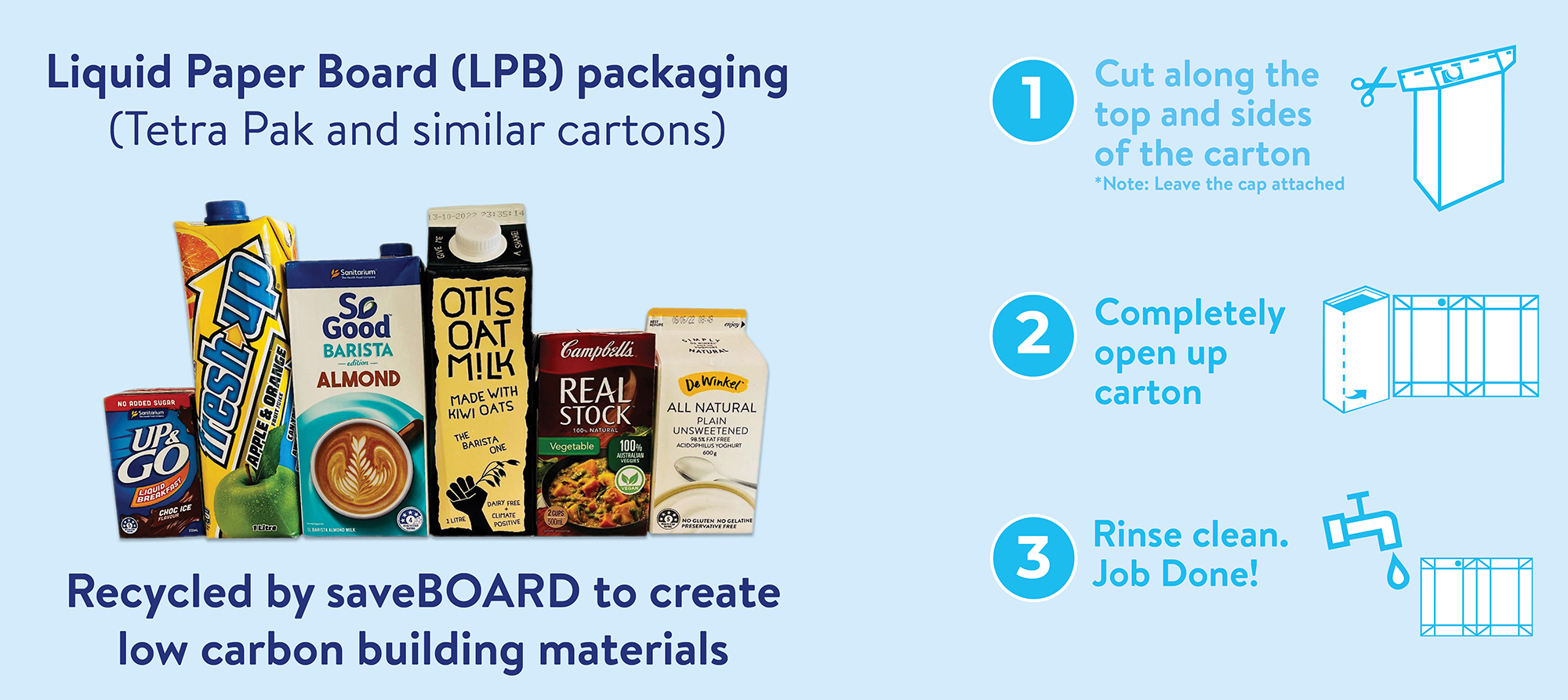
What can be recycled?
- Milk cartons
- Juice cartons
- Soup cartons
- Stock cartons
Prepare your cartons for recycling
Before dropping them off, make sure cartons are:
✅ Cut flat
✅ Rinsed clean
✅ Completely dry
Drop-off location
Tairāwhiti Environment Centre
✅ Free drop-off
Important
❌ Do not put Tetra Pak cartons in your kerbside recycling bin
Reuse first
If your TV, microwave or other electronic equipment is still working, consider reusing it before recycling.
You could:
- Give it to friends, whānau or colleagues
- Offer it through local social media groups such as:
- Preloved Items Gisborne (The Original)
- Zero Waste Gisborne
- Gizzy Preloved
- Donate to a local op shop that accepts electrical items.
Recycling options
If your TV is broken and can no longer be reused:
✅ Flat screen TVs can be taken to Metalco Recyclers free of charge.
Older box-style televisions can be taken to:
- M E Jukes
- Waste Management NZ Ltd
Charges may apply.
Why reuse first?
Reusing working electronics keeps valuable items in circulation for longer, reduces waste, and helps others access affordable household goods.
What can be reused?
- Yarn
- Knitting wool
- Crochet cotton
- Partially used balls of wool
- Craft and knitting supplies
Reuse options
Consider donating unwanted yarn, knitting wool and craft materials to:
- Charitable organisations
- Church groups
- Kindergartens, childcare centres, schools, kōhanga reo
- Rest homes
Before passing it on
✅ Ensure yarn and wool are clean and dry.
✅ Bundle loose yarn where possible.
✅ Include knitting needles, crochet hooks or other craft supplies if no longer needed.
Why donate yarn and wool?
Yarn and knitting wool can be reused for craft, educational and community projects. Donating supplies helps reduce waste, supports creative programmes and provides materials for people of all ages to enjoy.
No items match your search. Try a different term or turn off the kerbside filter.