
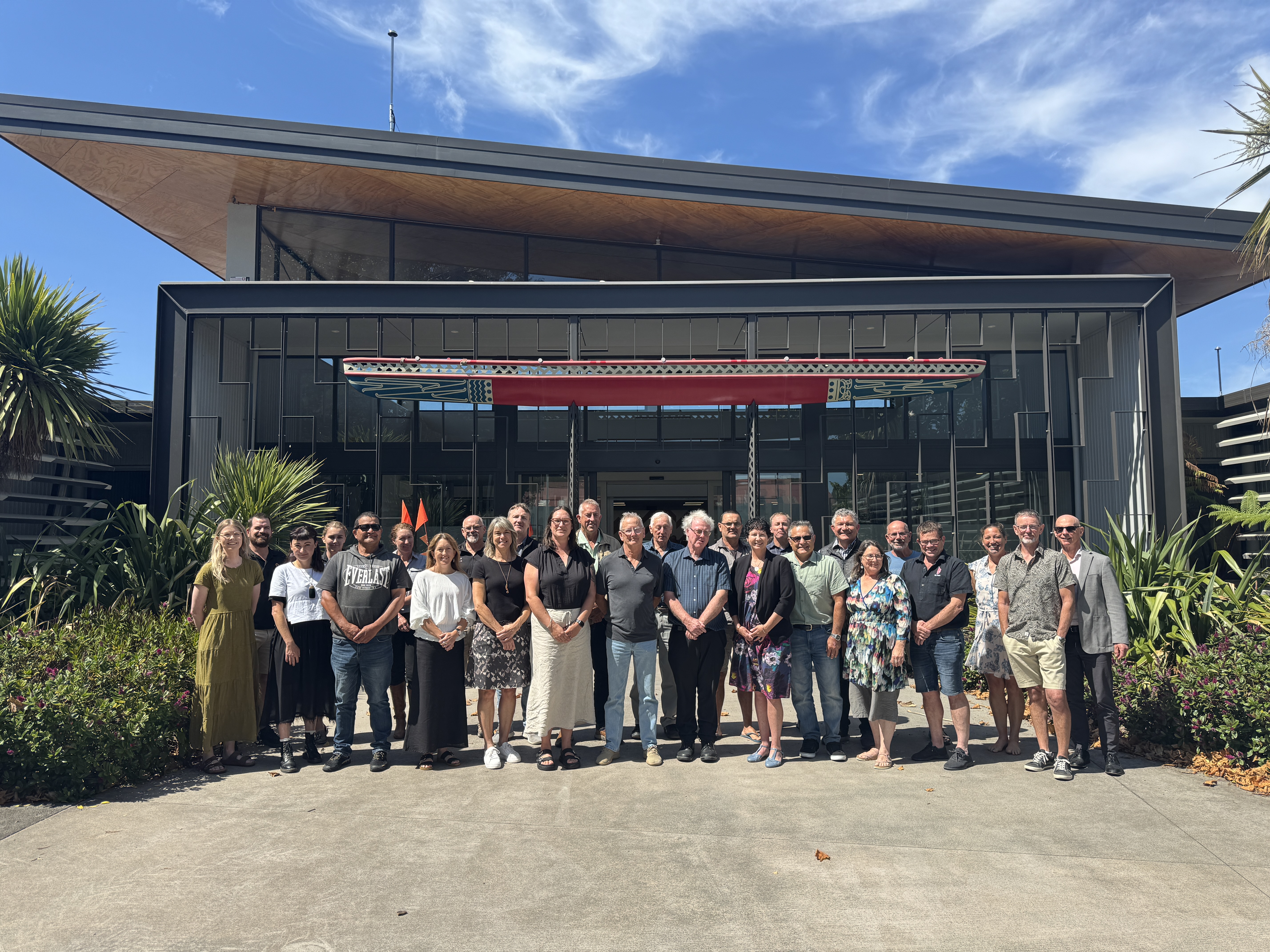
The Transition Advisory Group was a cross-sector group established to help develop a shared direction for land transition across Tairāwhiti.
The group brought together local expertise from forestry, farming, Māori landowners, people with environmental interests and experts from Gisborne District Council and Ministry for Primary Industries.
Its work included developing the Tairāwhiti Transition Guidelines and a regional business case and delivery plan to help inform the next phase of land transition.
Timeline
Formed in September 2024, the group developed the first version of the transition guidelines which were released in June 2025.
The group also developed a regional business case and delivery plan setting out the scale of the transition challenge, what could be required to deliver it and the investment needed. The business case was shared with Government in December 2025.
Our why
Tairāwhiti region suffers the most severe soft rock soil erosion in New Zealand. Over the past decade, extreme weather events have increased environmental damage, showing the urgent need for better risk management.
Since the region relies on forestry, farming, and horticulture, we must ensure these activities take place on land that can sustain them. The first step is identifying areas that require permanent vegetation for protection, which will involve significant land use changes.
Shifting from our current land use to permanent vegetation will be challenging but it's necessary to prevent future damage.
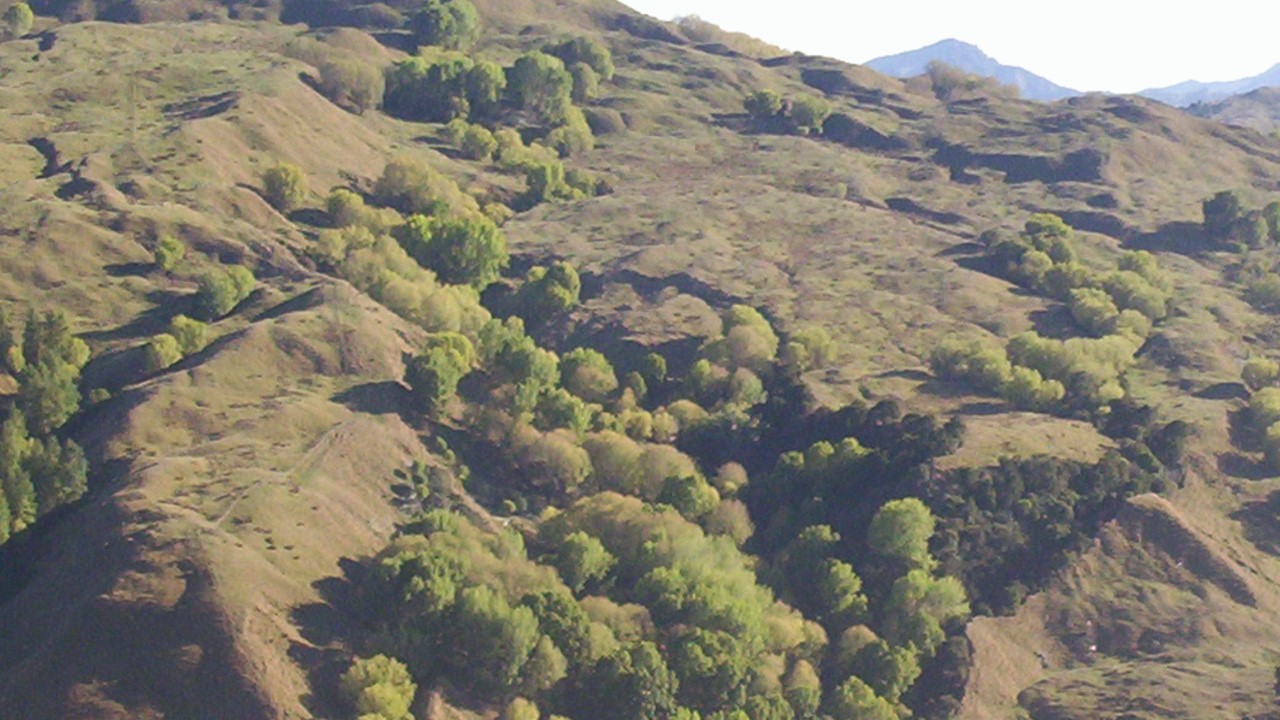
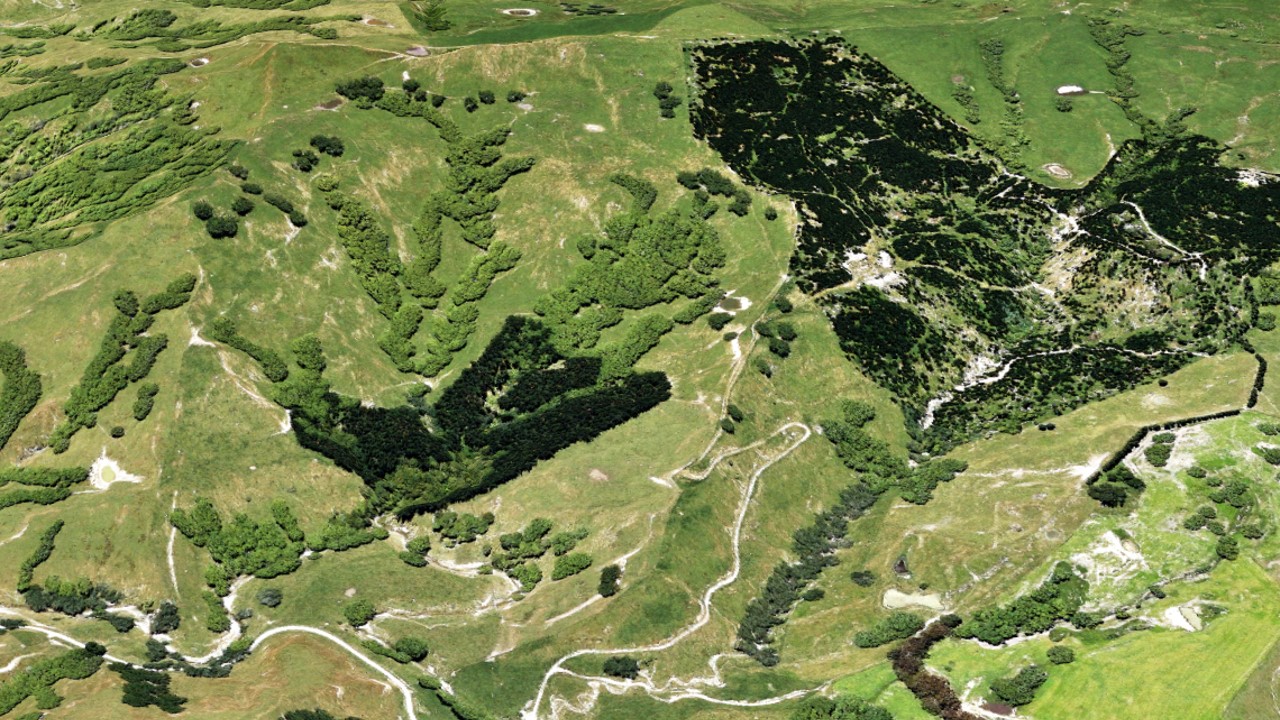
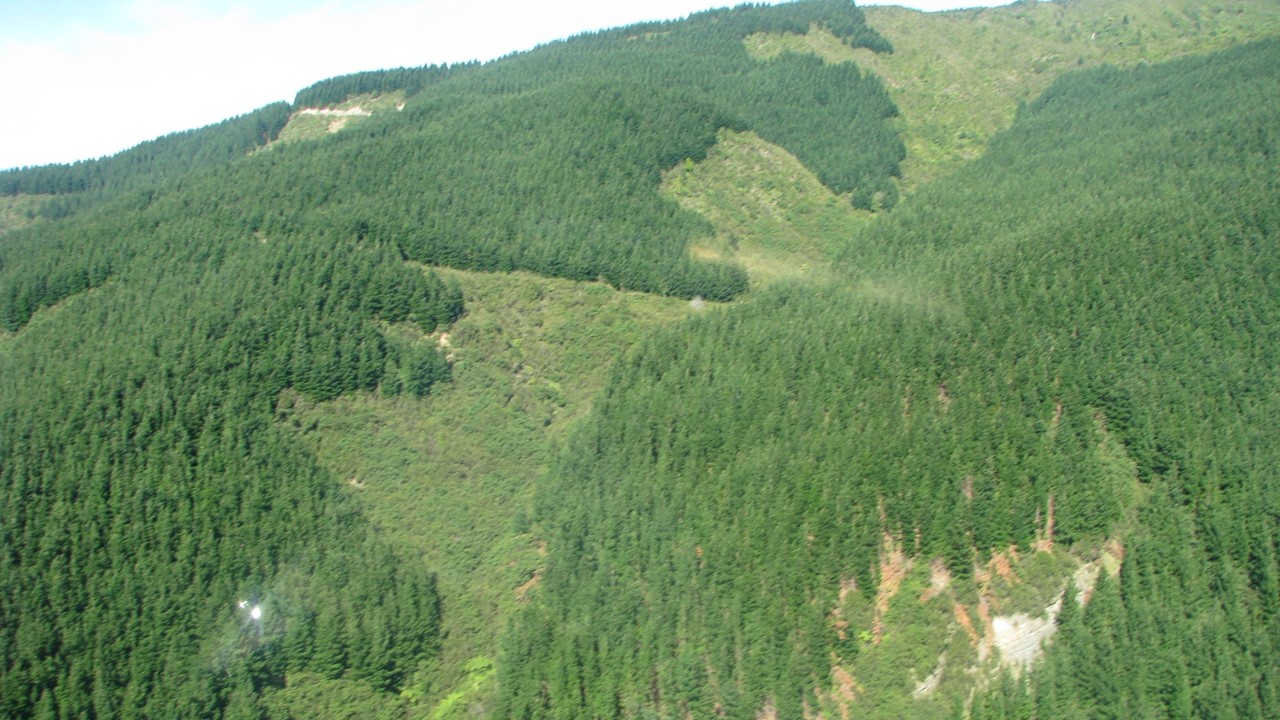
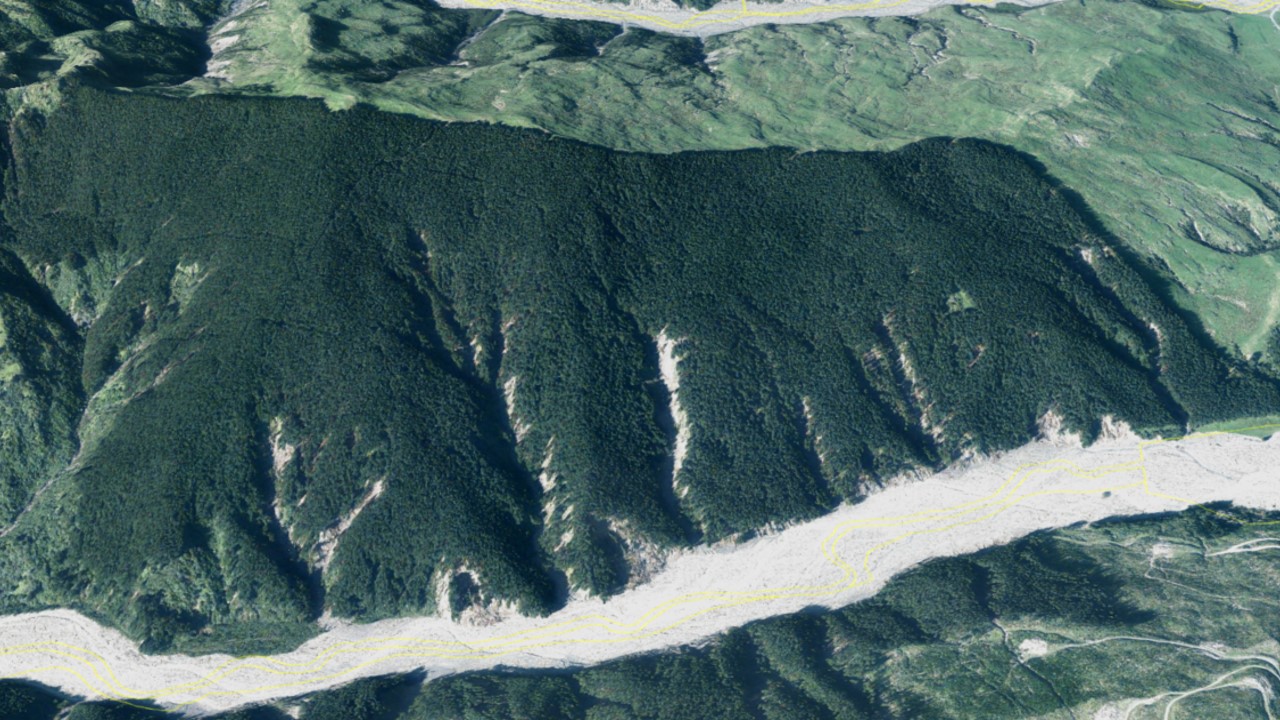
These photos show various land scenarios: treated farmland, woodlots and soil conservation plantings, plantation forestry with indigenous vegetation in gullies, and areas where indigenous vegetation is regenerating.
Role of the group
TAG used local expertise and knowledge to develop guidelines that support a wide range of transition opportunities across all land uses. The group worked on:
- a series of options based on existing examples and case studies across Tairāwhiti and Aotearoa that align with our vulnerable land.
- a transition guide that outlines transition steps for specific sites while making sure it works well with adjoining land.
4 transition scenarios
TAG has developed guidelines for 4 different scenarios, recognising that every site is different and unique.
- Pastoral land use transition in the presence of stock
- Pastoral land use transition involving stock exclusion
- Forestry land use transition involving harvest
- Forestry land use transition without harvesting
Map showing highly erodible land
We’ve mapped the highly erodible land in our region using expert data and analysis. This map was one of the considerations used by the Transition Advisory Group when developing the Tairāwhiti Transition Guidelines.
The map is a non-regulatory tool designed to support landowners in identifying erosion-prone areas and exploring suitable long-term land-use options. View the map
Transition guidelines - version 1
The guidelines below are the first version developed by the TAG group. You can also view the guidelines online here.
No results found for ""
- Nedine Thatcher-Swann
- Kerry Hudson
- John Hutchings
- Sheldon Drummond
- Mike Marden
- Hilton Collier
- Matene Blandford
- Graeme Atkins
- Bryan McKinlay
- Mark Lumsden
- Richard Powell
- Kees Weytmans
- Jason Blair
- Nigel/Lana Hope
- Phil Hope
- Alan Haronga
- Gene Takurua
- Dean Evans
- Nicki Davies
- Amy England
- Sandy Butler
- Willie Wetere
- Daniel Williams
- Bryce McLoughlin
- Kerry Worsnop
- Richard Clark
- Charlie Reynolds
- Tim Rhodes
- Laura Watson
- Julian Kohn
- Manu Caddie
- Renee Raroa
- Daniel Fraser
- Rob Daunton
- Dan Jex-Blake
- Henare Walker
How to get involved
- Check for our open engagements - kōrero mai via our engagement portal
- Sign up for Council News | He Pānui - using this form.