The Transition Programme Business Case sets out a long-term plan to reduce erosion, protect vulnerable land and strengthen the resilience of our communities, infrastructure and primary industries.
This programme builds on the work of the Transition Advisory Group (TAG) - a cross-sector group of farmers, foresters, Māori landowners, environmental specialists and industry representatives who developed the Transition Guidelines earlier this year.
Those guidelines outlined practical pathways for transitioning erosion-prone land. The business case takes the next step, expanding this into a programme with the funding, delivery structure and actions required to put those transitions into practice across Tairāwhiti.
Our commitment to kaitiakitanga protecting our land and our communities so future generations can thrive in Tairāwhiti
What this plan will deliver
- Stabilisation of 100,000 hectares of erosion-prone land.
- More than $1 billion in avoided storm damage and clean-up costs.
- Reduced sediment, woody debris and storm impacts across the region.
- Over 350 roles over time in nurseries, pest control, environmental engineering, restoration and land management.
- Stronger and more resilient farming, forestry and primary industries.
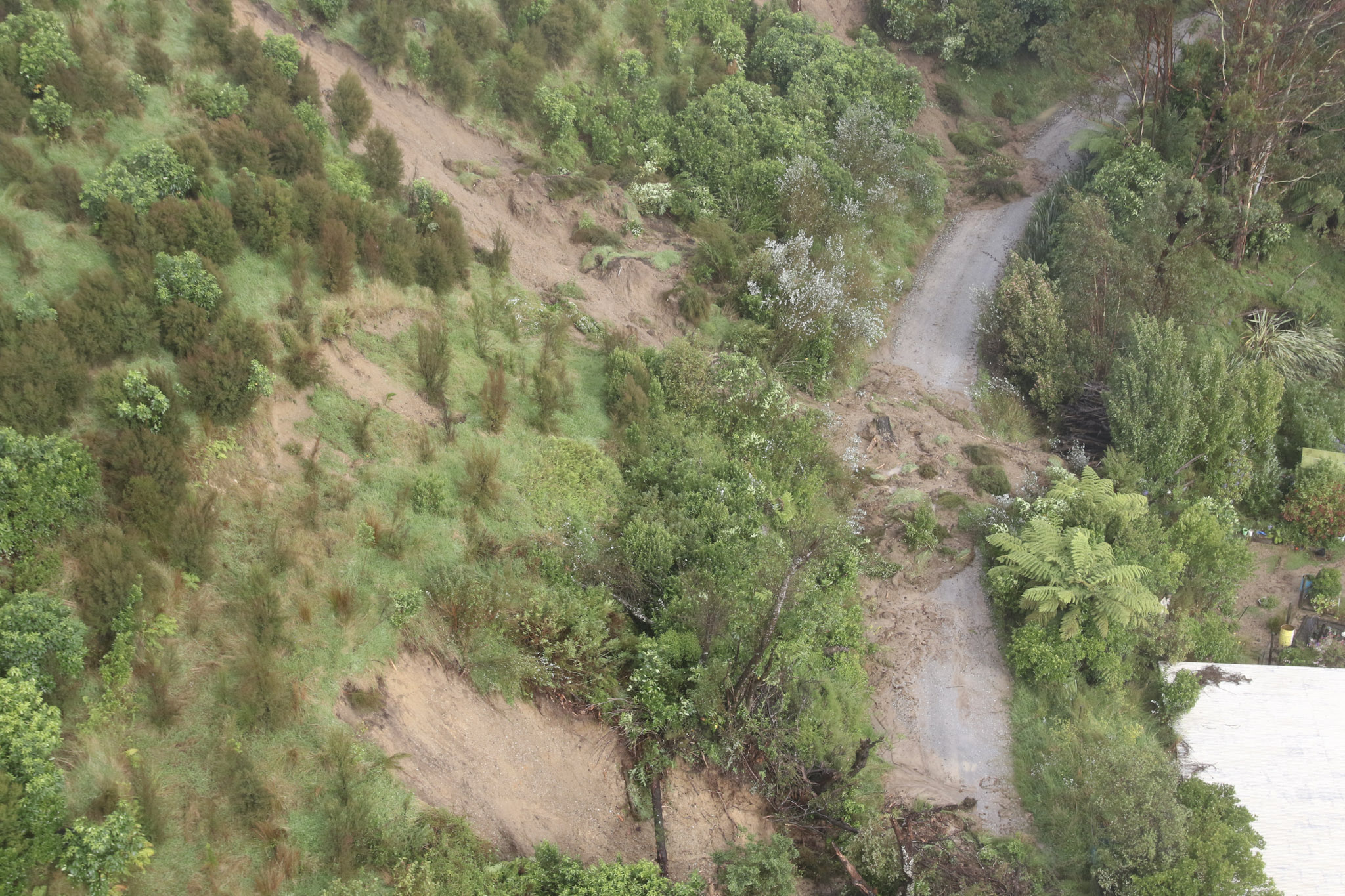
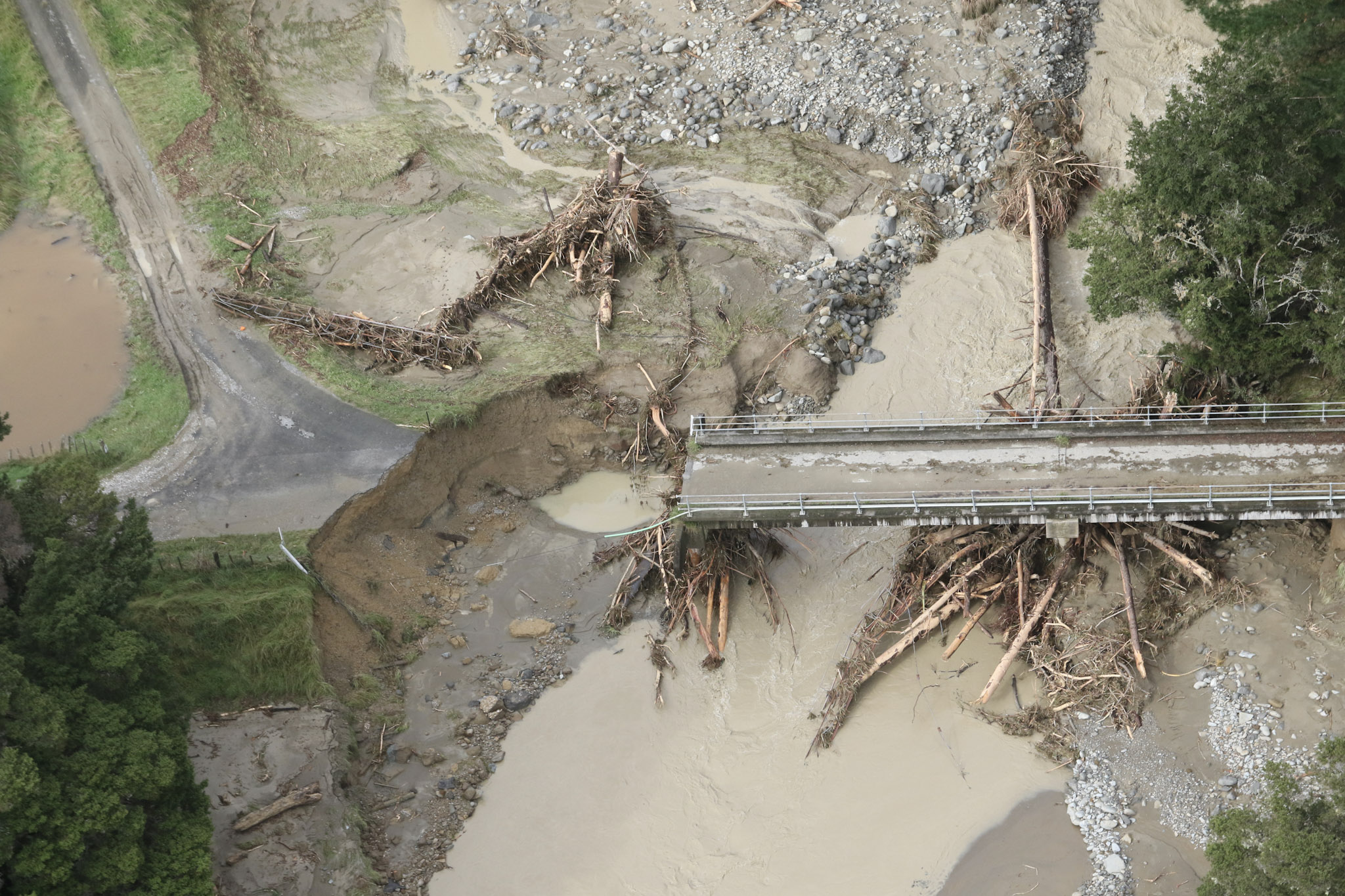
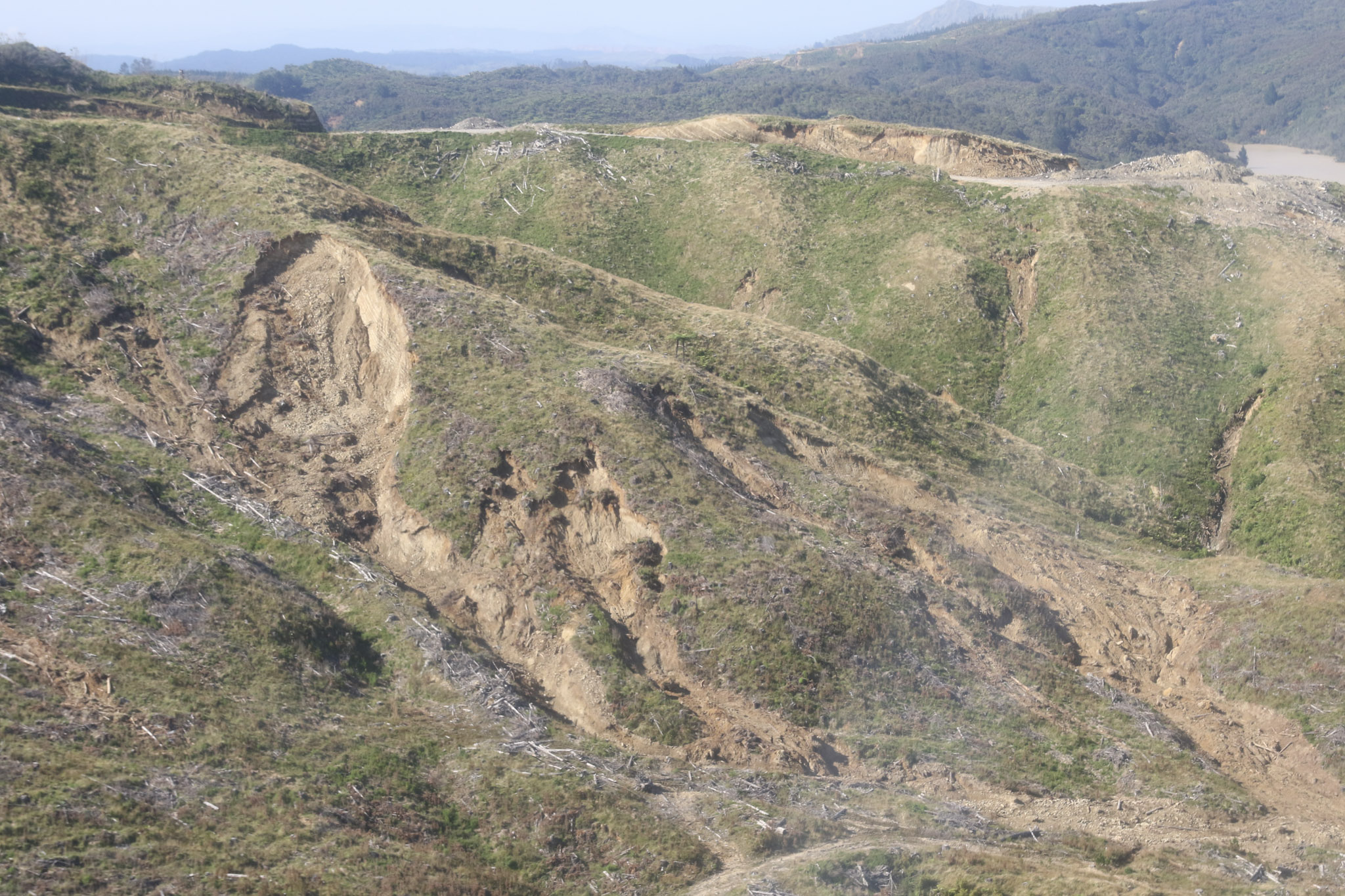
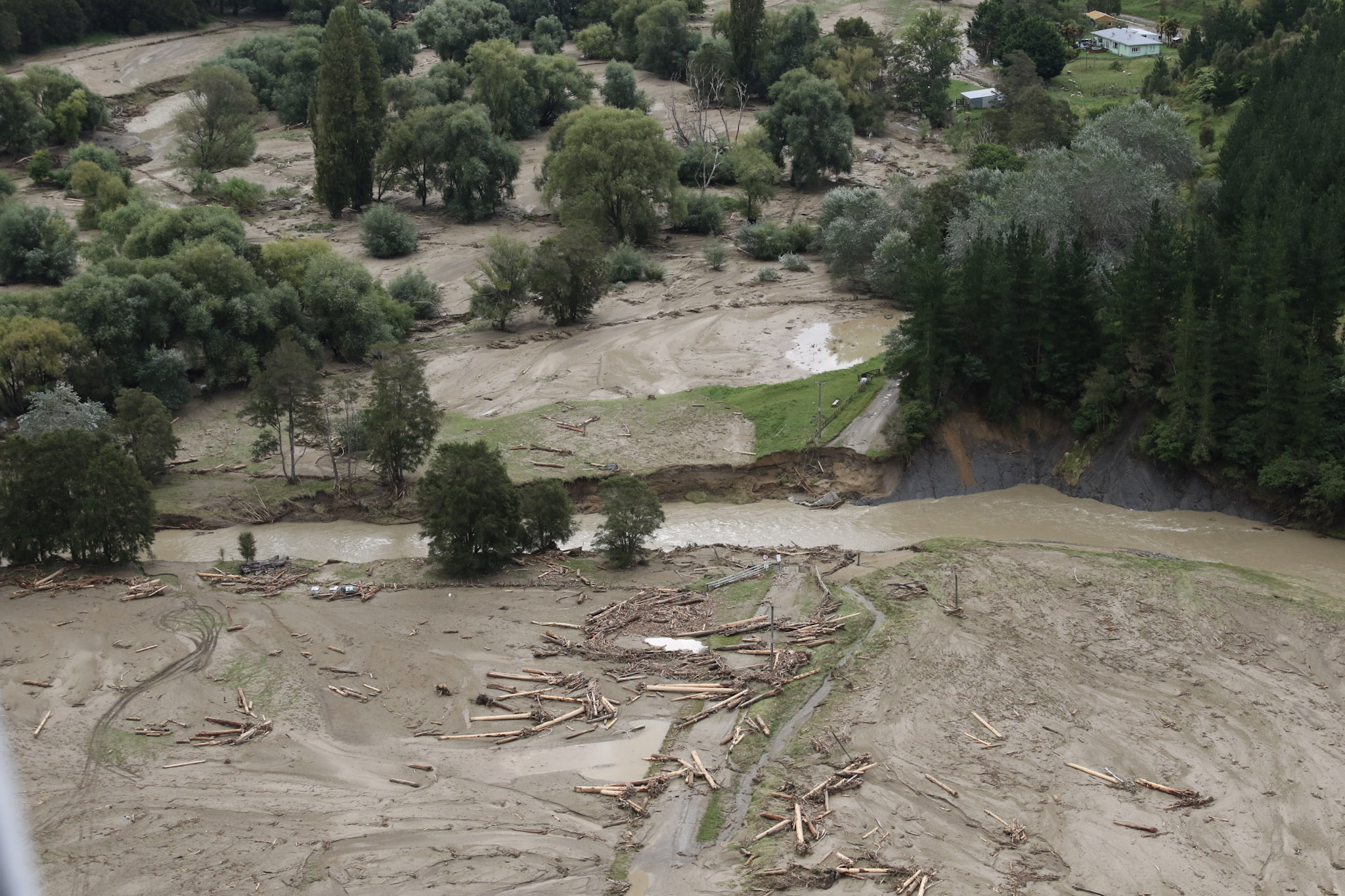
These photos show the types of land and storm impacts the plan is designed to address - unstable hillsides, erosion scars, woody debris and damage to roads, rivers and essential infrastructure.
Business case - Land Use Transition in Tairāwhiti
Read how Tairāwhiti can transition erosion-prone land, reduce storm damage and build a resilient future.
Download the PDF below or View the flipbook
No results found for ""
Frequently asked questions
Why does the Government need to be involved?
Tairāwhiti has one of the highest erosion-risk profiles in the country and recent storms have shown that the cost of inaction is far greater than the cost of prevention. More than $110 million has been spent cleaning up roads, rivers and beaches after major weather events, and those costs continue to fall on both the region and the Crown. The scale of the work required is bigger than what our region can carry alone.
What happens if we can't get funding?
Doing nothing isn’t an option. Our communities, infrastructure and whenua will continue to face avoidable damage. We will continue working to secure investment through all available avenues, because the need is urgent and the call from the region is strong.
Isn't this too expensive?
Storms keep costing our communities millions. Investing now prevents damage, protects our homes and whenua, and saves money in the long run. Every $1 spent on prevention saves around $4 in recovery costs - so acting now is far more affordable than continuing to clean up after each storm.
Will farming and forestry still have a future under this plan?
Yes. Farming and forestry will continue to play a major role in Tairāwhiti. This plan is not about stopping those industries - it’s about making sure the right land use happens in the right place. Some areas are simply too steep or unstable to sustain current use, and that’s where transition is focused.
Will landowners have to pay for the transition?
The plan seeks Crown and external investment so landowners are supported when transitioning erosion-prone land. The goal is to make transition achievable and affordable.
What happens next?
Council is now sharing the plan with Ministers and Government agencies. Over the coming months, we will continue working with Government, industry partners, TAG, mana whenua and our communities as discussions progress.
When could work start?
Once Government funding is confirmed, work can begin quickly. The plan includes an early-action package designed to get boots on the ground as soon as support is secured.