Backflow prevention helps keep drinking water safe. It stops contaminated water from flowing back into the public water supply, helping protect the health of our community.
At a glance
- Backflow prevention helps keep drinking water safe.
- Some properties require a backflow prevention device.
- The type of device depends on the risk level of the property.
- Installation is at the customer's cost.
- Once installed, Council takes responsibility for testing, maintenance, renewal and replacement.
What is backflow?
Backflow happens when water flows in the wrong direction through a plumbing system.
If water pressure in the public water supply suddenly drops or changes, water from private properties can flow back into the public drinking water network.
This water may contain contaminants that could affect the safety and quality of drinking water for the community.
Why backflow prevention is important
Backflow is one of the greatest risks to a drinking water network and can lead to contamination if it's not properly managed.
Backflow prevention devices stop contaminated water from flowing back into the public drinking water supply and help protect public health.
New Zealand drinking water laws require councils to identify and manage risks to the public drinking water supply. This includes making sure suitable backflow protection is in place where needed.
To help keep drinking water safe, Gisborne District Council must ensure the correct backflow prevention device is installed on properties where there is a risk of water flowing back into the public network.
How the risk level is determined
The type of backflow prevention device required depends on:
- The potential impact on human health if contamination occurs.
- How water is used on the property and the likelihood of contamination entering the drinking water network.
- The activities or processes taking place on the property and whether they could introduce contaminants into the water supply.
Who pays for installation?
The required backflow prevention device is installed at the customer's cost. This may be the property owner, lessee or other authorised customer responsible for the water supply.
While Council aims to provide accurate cost estimates, the final cost may vary depending on site conditions and installation requirements.
Council responsibility after installation
Once the approved backflow prevention device has been installed:
- Ownership of the device transfers to Council.
- Council carries out ongoing testing and maintenance.
- Council is responsible for future renewal and replacement of the device.
Backflow prevention devices
Backflow prevention helps protect everyone who uses the public drinking water supply. By stopping contaminated water from flowing back into the network, these devices help keep our drinking water safe.
Examples of devices used:
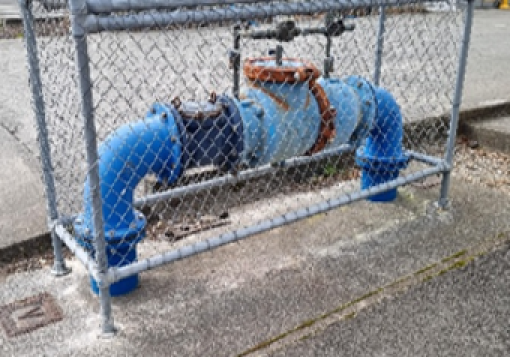
High-risk properties
Device: Testable reduced pressure zone (RPZ)
Typically used on properties where there is a higher risk of contamination entering the drinking water supply.
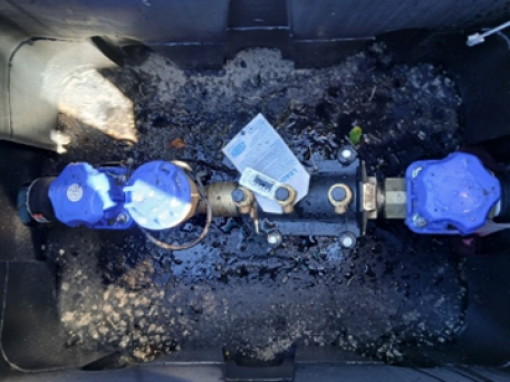
Medium-risk properties
Device: In-ground testable double check valve assembly
Typically used on properties where there is a moderate risk of contamination entering the drinking water supply.
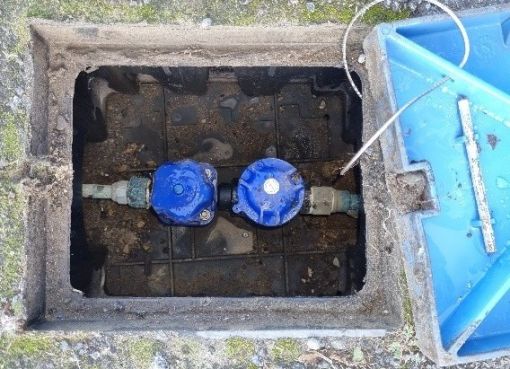
Low-risk properties
Device: Standard dual check manifold
Typically used on properties where there is a lower risk of contamination entering the drinking water supply.
Legislative requirements
Council's responsibilities for managing backflow risks are supported by national legislation and the Gisborne District Council Water Supply Bylaw.