
15 December 2025
Illegal dumping of rubbish in Tairāwhiti has hit an all-time high with around 1200 tonnes cleared in the year to October at a cost to ratepayers of around $600,000.
Gisborne District Council is stepping up enforcement, education and system changes to tackle the problem.
Council’s solid waste manager Phil Nickerson says the trend over the past few years has been increasing sharply upwards.
“The volume of illegally dumped rubbish has increased several times over since 2021. We’re seeing everything from bagged household waste and broken furniture through to animal carcasses dumped in places our whānau use every day.”
“Every dollar we spend cleaning up after illegal dumping is a dollar we can’t put into things like roads, parks, pools and other services our community relies on.”
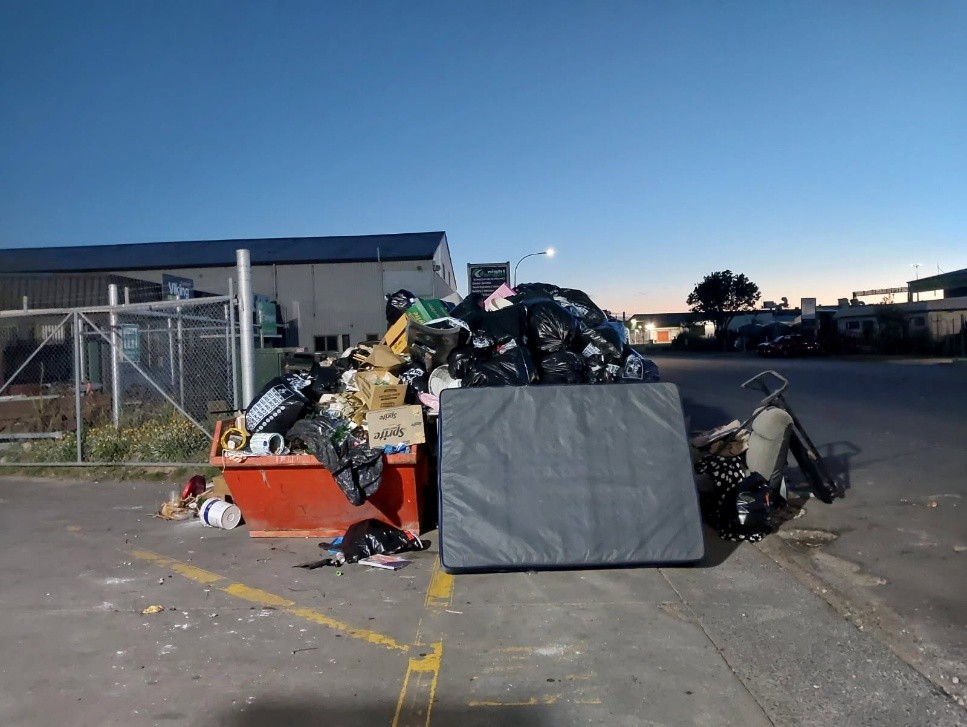
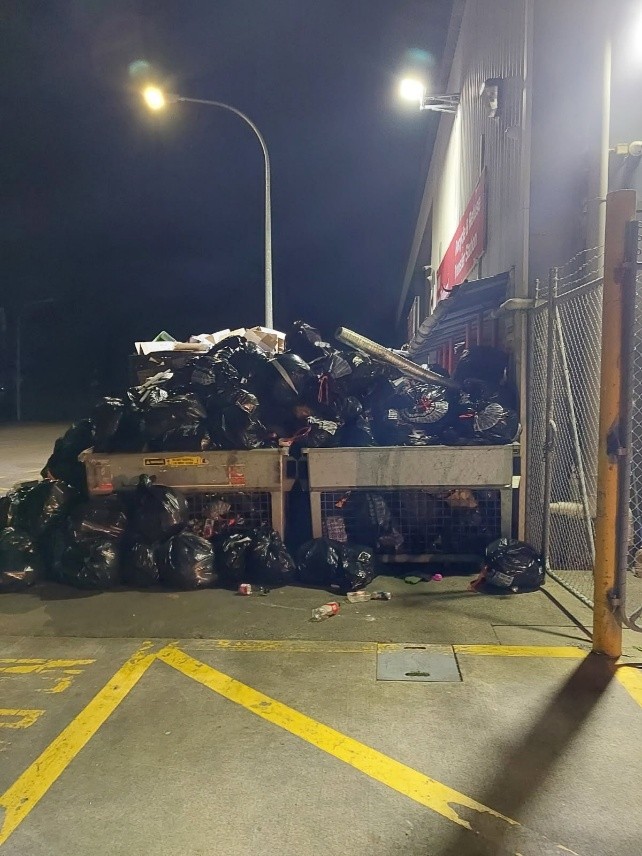
Most of the cost however is occurring at the transfer station gate.
This year about 94% – roughly $570,000 – is directly linked to rubbish dumped outside the city’s Waste Management transfer station. About 20% of the bags left there are stickered, but stickered bags are also deemed illegal dumping outside of the opening hours and is a cost to Council to dispose.
“Operational budgets are set three years in advance and were never designed to absorb illegal dumping costs that have been rising about 40% year-on-year over the past three years.”
Mr Nickerson says a large number of people think there is an after-hours drop off service, and it’s likely most people have been misinformed or followed habits carried over from when free drop-off was allowed during Covid-19 and again after Cyclone Gabrielle.
“Temporary crates were provided at the front gate by Waste Management to help people dispose of rubbish when normal services were disrupted,” says Mr Nickerson.
“That emergency measure has long since ended, but people appear to assume an after-hours drop-off is allowed.”
“Leaving rubbish at the gate – stickered or not – is illegal dumping. Rates pay for kerbside collection, stickered bags can be dropped off during opening hours. Anything outside of that has to be paid for by the user,” he says.
Many items being dumped could have been recycled, reused, donated or taken to specialist recyclers at low or no cost.
Illegally dumped rubbish typically includes:
- bagged household rubbish (stickered and unstickered)
- recycling items in bags or boxes
- appliances and whiteware such as fridges and washing machines
- couches, mattresses and other furniture
- unwanted building and renovation materials
- tyres and animal carcasses are also common
New signage will be installed at the transfer station to clearly explain what is and isn’t allowed.
Security cameras will operate afterhours and any individuals caught illegal dumping will receive a $400 infringement fine.
So far this year, 19 infringement notices have been issued for littering or illegal dumping in Tairāwhiti.
Council will also increase education through local media, social media and its website to promote these options, and continue to monitor known dumping hotspots.
“It’s not feasible to have cameras or patrols everywhere,” says Mr Nickerson.
“Residents are encouraged to report illegal dumping they see in public places to Council as soon as possible.”
The easiest way to do this is via the Antenno app, where people can send photos and the exact location straight from their phone, or by calling Council’s customer service team.
We encourage people to think about how to minimise waste going to landfill:
- Secondhand Sunday happens once a month, where people can re-home usable household items for free instead of sending them to landfill.
- The Tairāwhiti Environment Centre and Rethink Centre, provide drop-off points for e-waste and other hard-to-recycle items, as well as advice on reducing waste.
- Council’s website has information on where to recycle batteries, building materials, e-waste, soft plastics and other materials rather than dumping them.
Council is also looking at the bigger picture through its new Waste Management and Minimisation Plan 2025–2031, which is currently being drafted with stakeholder input. The plan will look at:
- reducing waste at source
- removing barriers to recycling and correct disposal
- targeting illegal dumping through better system design, education and enforcement.
Earlier this year Council invited ideas from residents, schools and businesses on how to cut waste and combat illegal dumping as part of the plan’s development. The draft plan is expected to go out for wider community consultation in early 2026.
Mr Nickerson says solving illegal dumping will take a collective effort.
“Most people in Tairāwhiti are doing the right thing. We really appreciate those who sort their recycling, take items to the right place, or organise community clean-ups.
What we’re asking now is simple – don’t dump it. If you’re not sure where something goes, ask us, use the Environment Centre, or check our website. There is always a better option than leaving it on the roadside or at the gate.”
Links to more information
Where to recycle unwanted items
Illegal dumping after hours at Waste Management transfer station in Innes Street